
The astonishing + 1.4 level variable in the third quarter from Minnesota speaks volumes about a champion’s DNA. A player’s real character under stress is revealed by this dominance at a crucial point in a hockey game, beyond just a statistical advantage. Just take a moment to consider how fourth-quarter performance influences final desires. The contenders ‘ final twelve minutes show their physical prowess as well as their mental fortitude in comparison to the rivals ‘ final twelve minutes. A team that you be composed when fatigue strikes exhibits traits that statistics can’t match. The ability to identify these trends is essential for determining staff morale. Performance in the fourth quarter frequently determines playoff success more accurately than general results. Take Boston’s defense genius, which only allowed 25.6 % of the game in the fourth quarter. This ability to manage the group is a testament to the group’s championship-caliber finishing potential. However, the third quarter’s research goes beyond the figures. These patterns demonstrate lineup depth, military adaptability, and mental strength. When you compare Minnesota’s consistency between home games ( 2. 0) and road games ( 0. 0), you can see the mental strength that transcends the venue advantage. People who watch these great games may quickly get the Betway app to ensure they don’t miss any crucial moments. In addition to providing insightful insights into staff evaluation and predicted analysis, understanding these dynamics in the last period. We can learn about final DNA and betting value by examining the underlying patterns in fourth quarter achievement, not just through speculative speculation but also from statistical data. Champions Rise Boston’s protective prowess, which allowed merely 25.6 factors in the fourth quarter, are a clear indicator of their potential as a champion. Only the Orlando Magic can match this defense supremacy, which sets the stage for repeat victories in tight games. When looking at fourth-quarter advantage more closely, it becomes clear that Minnesota is in the lead with a +1.4 rating, followed by Boston ( +1.3 ) and New York ( +1.1 ). These figures illustrate a amazing tale of mental toughness and execution in the last decade. Each group exhibits distinctive finishing traits that set them apart from the competitors. The house court’s dynamics give this story more depth. The players rely heavily on the crowd’s energy in crucial situations, which is demonstrated by the significant difference between Boston’s performance at home ( +2.5 ) and on the road ( +0.1 ). Minnesota’s performance on the road is more consistent than it is at home ( 2.0 % versus 0 / 0 / 0 / 0 / 0 / 0 / 0 / 0 / 0 / 0 / 0 / 0 / 0 / 0 / 0 / 0 / 0 / 0 / 0 / 0 / 0 / 0 / 0 / Consider how wealthy winners maintain their personal advantages when analyzing these designs. Opportunities for significant scoring are provided by Boston’s strong defense. Despite the atmosphere, Minnesota’s regularity across locations demonstrates consistency. The discipline they exhibit in nearby games is demonstrated by New York’s steady differential performance. These habits are crucial when analyzing close game. Elite, small groups exhibit repetitive patterns in high-pressure situations, which makes their fourth quarter efficiency a reliable indication of the game’s goal. This uniformity provides useful information for people trying to comprehend potential late-game scenarios. Only 19 % of games were deemed to be truly close, according to a thorough analysis of 2, 295 NBA games. This finding alters how we interpret late-game dynamics, particularly when weighing up aggressive difference. Bright researchers are aware of the parameters that closed games must adhere to. Creates exclusive corporate situations in a sport that started with a 10-point result in the third quarter and ended with a 5-point result. These variables can help you determine staff behavior patterns under pressure and illustrate how groups approach challenging situations. It has been demonstrated that the results of nearby games depends on the pace. In the third quarter, powerful teams typically have 90 to 100 possessions. Houston prospects in this area and has increased the intensity to accurately 100 possessions, a process that yields inconsistent but repetitive patterns. Your research should take into account how various rhythm affect various teams separately. Understanding these song relationships is essential to predicting results. Teams that manage the game’s tempo in the third fourth have a higher win frequency in close games. When studying how wealthy closers manipulate song to gain advantage, this connection becomes especially apparent. A strong spectator is aware of how these habits lead to repetitive outcomes. Teams that play at a certain tempo consistently win near games, whereas those who play at tempo control exhibit greater volatility. Beyond a basic win-loss count, this knowledge allows for a more complex analysis of third quarter execution and a deeper understanding of probable outcomes. Phoenix’s alarming -2.4 % fourth-quarter point differential only scratches the surface of their long history of late-game falls. With a remarkable online differential of -16.1, they had historic proportions, which threatened to set an undesirable NBA record. Detroit ( 0.- 0.9 ) and Toronto ( 0.- 1.0) both displayed similarly gruesome patterns, but neither city managed to match Phoenix’s significant -2. 6 home disadvantage. This persistent late-game decay highlights deeper structural problems. With a nine-game losing streak this year following a third-quarter result, Phoenix stands out in specific. In your analysis of these weakened pitchers, there are some habits that need to be taken into account. The Phoenix Suns, which are next among NBA clubs, only manage 24.5 factors in the last quarter. They are second-to-last in field goal portion and third-to-last in fumbles in pedal situations, which extend beyond merely scoring. These constant designs result in predictable outcomes in close games. When comparing near activities, these teams exhibit a tendency to fall apart in the fourth quarter rather than to hold on. Fourth-quarter performance styles reveal details about NBA team that cannot be fully understood by game reports only. These final-quarter figures show the team’s character under pressure, showing how excellent Minnesota is with a + 1.4 % variable and Phoenix’s alarming decline rate. What distinguishes the genuine applicants from the gamers in difficult circumstances? In a variety of situations, wealthy closers like Boston and Minnesota maintain their composure while strong players like Boston demonstrate exceptional defensive skills. At the same time, struggling team exhibit repetitive patterns of declining performance when sports are tight. Understanding these designs can give you a significant logical advantage. Only 19 % of games are deemed to be truly close, and the ideal game length is between 90 and 100 possessions can help more accurately predict likely outcomes. Fourth-quarter efficiency will increasingly serve as the boundary between final contenders and those competing for the title as the playoff race gets more competitive. The last days, according to good spectators, reveal more than just statistics; they also reveal the true nature of the game in the clutch. The Hoop Doctors first published the article The Importance of Elite NBA Closers.
Are Celtics ‘” Powerful Starters” the Teams to Compete with in 2024?
The Boston Celtics are now in second place in the Eastern Conference after a strong start to the 2024 NBA time. The Celtics are dominating on both ends of the jury, led by a young base of people like Jayson Tatum and Jaylen Brown. But, are they the most difficult staff to defeat in 2024? Let’s examine their efficiency and possible rivals more closely. In their first 15 sports, the Celtics set a record for the most three-pointers made. The Boston Celtics after more demonstrated their skill on the court, highlighting their position as a top contender in the club. Their preeminence was demonstrated by their most recent victory over the Cleveland Cavaliers, who were formerly undefeated. The 120-117 game showcased Boston’s outstanding offensive strategy, particularly from beyond the circle. The Celtics are performing like never before, according to statistics. They are redefineing the three-point photo, as well as leading the group in three-point shooting percent. They have already made a record-breaking 287 three-pointers in the previous 15 games, breaking a new NBA history. On 50.5 efforts, they are averaging 19.1 three-pointers per match. This indicates that they are considerably better than their closest foe, the Charlotte Hornets, who attempt 44.6 per match. Head coach Joe Mazzulla’s scientific method, which uses the three-point picture over the two-point picture, serves as a corporate driver for this strategic emphasis on large shot counts. This perimeter-centric activity strategy has been modified by Mazulla to reflect the Celtics. The group has a three-point-skilled system that can unlock the potential of each person in pleasant conversation despite the absence of people like Stephen Curry or Klay Thompson. The team’s geographical scanning and coordination maximize shot opportunities across the court, which is evidence of the success of this technique. The Golden State Warriors, who demonstrated the damaging effects of a 3-point offensive technique on their approach to the final, are a part of the cause of this strategic trend. Do the Celtics have a problem with near activities? The Celtics were a force to be reckoned with last season, dominating the sport, consistently leading the charge, and completing the year with a top-notch history. Nevertheless, things have changed this time. The Celtic find themselves in a different kind of competition because seven of the Celtics ‘ 14 games are categorized as “decisive sports” and the result isn’t decided until the winning combination. They don’t have a problem, either; they have a 4-3 record in these games, but their winning percentage is 57.1 %, so there’s definitely room for improvement. The on-court collaboration and achievement have been contradictory due to Jrue Holiday’s, Al Horford’s, Jaylen Brown’s, and Sam Hauser’s occasionally absentees. Viewers got to witness interesting events, like the time victory over Toronto, where Jayson Tatum’s skillful play helped the crew to win. Despite being battered, the squad was still strong, which indicates that people have the potential to improve as they recover and rediscover their shape. Boston frequently lost time when Boston had a double-digit lead and allowed opponents to reclaim the lead, which made the team’s need for stronger writing skills apparent. In exchange, the crew displayed toughness and closed the gap against formidable foes like Milwaukee. Coach Joe Mazzulla may enhance his approach and discover the most effective blend through lineup improvisation as the time progresses. The Celtics have kept their spectacular location and satisfied with a match program full of hope and a play that is adaptable despite these early-season modifications. It is still crucial to learn these close contacts without losing look of long-term success. The Celtics have shown their ability to overcome obstacles, and the experience of this period can help strengthen their resolve and get them ready for a challenging playoff activity. The present condition is full of optimism, but there are also dangers. However, it also gives the Celtics a unique opportunity to strengthen their playing capacity, spirit of play, and visibility, which are all crucial elements that may affect their quest for a championship. Also a group that is unbreakable, though? Despite the fierce opposition the Boston Celtics are now facing in the Eastern Conference, they are also regarded as the hardest group to defeat despite their championship record. Viewers and researchers continue to charge the Celtic NBA team as one of the best teams in North America, making them one of the most common in the country. The Rise of Jayson Tatum: Temple has been dominating the judge and has made a significant commitment to the Celtics ‘ success. Here are three powerful reasons why the Celtics are still a major threat and strong contender for the 2025 NBA title. He has also improved his playmaking abilities and set a career high in assists, despite still having a high scoring average. This adaptable performance has challenged any opponent’s defense and improved the Celtics ‘ offensive dynamics. White has a reputation for being overshadowed by big-name athletes, but Robert White has stepped up and displayed remarkable consistency on both ends of the court. His impressive numbers, including key blocks and effective scoring, enhance the Celtics ‘ lineup and enhance the team’s overall strength and toughness. Future Potential of Kristaps Porzingis: Despite his current success, Porzingis still has the opportunity to develop once he recovers from injury. His defensive and shooting abilities will put pressure on key players, improve Celtics ‘ interior presence, and stop scoring in the paint. His return could change the game and cement Boston’s position as a top contender. What’s the verdict then? In summary, the Boston Celtics have been impressive despite the difficulties they have faced and will continue to do so this year. The Celtics continue to be the league’s top opponent despite a strong three-point shooting strategy, tenacious displays in close games, and potential showings from key players returning from injury. It’s safe to say that they will continue to be one of the hardest teams in the NBA as they continue to refine their strategy and strengthen their team cohesion. The article Celtics off to a strong start: Who will be the team to beat in 2024? first appeared on The Hoop Doctors.
How Agencies and Athletes Manage the Internet, according to the NBA Draft Secrets
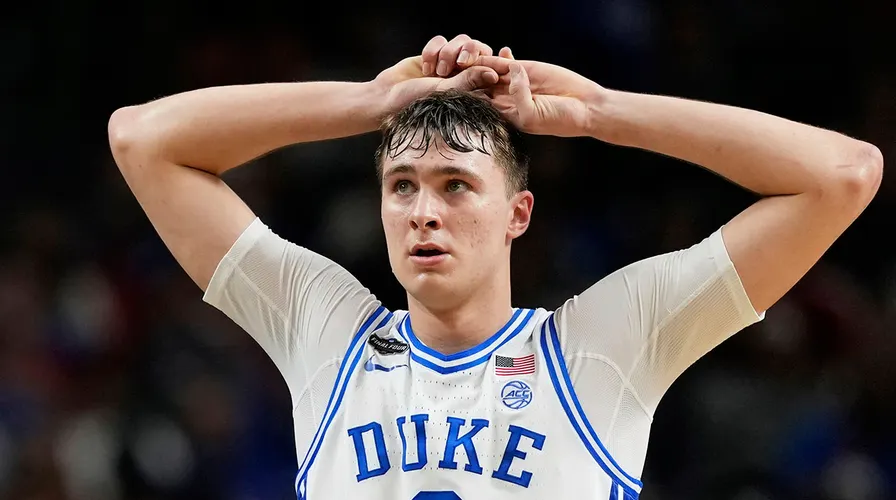
The NBA Draft is a high-stakes contest, not just on the jury. Reputation may mean a lot to best prospects. Brokers are aware of this. There is a team working hard to tell the story behind every smooth meeting and Instagram highlight. An adult’s reputation is everything from university fame to draft evening. That includes Google’s display. a negative seek effect It can lower a player’s worth or even turn them off altogether. Here’s how officials manage that reputation, why NIL offers have raised the stakes, and why people are cleaning the web before the club always calls their title. Google Teams ‘ document begins with Google Teams instead of just tape. Spies observe movies. GMs check the merge statistics. However, before the final call, rights teams and CEOs seek names online. They want to understand who they are, not just what they can perform. One scout from the Western Conference team put it simply:” We’ve Googled everything before we call the pick.” If anything strange appears, it’s a red flag. That includes internet strands, old interviews, authorities records, and obscure YouTube clips. A person may be more likely to lose a person if they have a poor link, even if it’s years old. ” We look at everything,” according to Rob Murphy, previous general manager of the Detroit Pistons.” We don’t simply spy on the court. A team’s website footprint indicates who a player is away from the court. If someone troubling appears, it’s more than just a PR problem; it’s also a decision-making factor. Narrative power is the new security, Brokers Are Managing More Than Contracts. NBA agencies don’t just gobble up deals. They then establish models. They write discussions. They train the internet. And they collaborate with experts in virtual status to determine what people see first. For instance, if a prospect when exposed an immature behavior or had a small problem in great school, agents make sure it doesn’t occupy Google’s second page. They’ll use the following to complete the search: Good press releases Player-written articles Negligible brand partnerships YouTube trainings or interviews Custom identify reels It’s strategy, not only hype. When teams look up a person’s name and discover clear, expert results, they are more confident in making the decision. NIL Deals Make Image Management Important Your experience is now the product. Everything was changed by Name, Image, and Likeness ( NONE). Before they ever play in college, college athletes can then profit from endorsements, shirts, and brand deals. However, that also implies that businesses are researching them. They desire fresh, recognizable players. One foolish tweet, one poor headline, or even one unpleasant post can ruin a deal. According to Opendorse, the typical NCAA men’s basketball person makes$ 3, 392 per NIL deal, but top-tier leads make six figures or more. That’s not really bag money, either. That contact will shape your career. Strong online presence leads to stronger NIL discounts, more media exposure, and better document conversations for athletes. Example: During March Madness, a SEC person deleted his previous TikTok account and created a new one. Within a fortnight, he signed three NIL agreements, including one with a shoe company that prepared for review year. Hidden the Disgusting Stuff It’s not always about deleting; it’s about replacing. Most people believe termination is the answer when something negative appears in search results. However, Google doesn’t operate in that manner. It stays up until it breaks the law or violates a product’s laws. Agents and managers then employ a different strategy, known as destruction. That entails burying the terrible content beneath fresher, better material. Content, features, discussions, and SEO-friendly movies are all used to lower the desired outcome. Working directly with the source, such as asking the website to reduce the effect or correcting false information, is the most common way to remove Google search effect information. If that isn’t successful, material teams disaster Google with more positive, stronger content, causing page one to disappear as a result. What Right Now Is athletes Do Start establishing a name management system. Your search results now matter if you’re a major university player, or even a future one. What should be checked and fixed first: Google yourself Research your brand, your class, and any usernames. Take note of everything shaky, cliched, or embarrassing. 2. Remove everything that is under your control, including old posts, YouTube channels, and Facebook photos. Get rid of it if it’s misleading or cringey. 3. Build fresh content Create a user-friendly Instagram. blog team photos, interviews, or training videos. Increase your profile, statistics, and media links to a simple website. 4. If something critical appears, such as a defamatory blog post or misleading article, contact your broker or media consultant. Professional teams are available to either remove it or correctly bury it. Every Draft’s Silent Substance Behind every sensational pick is a fresh Google page. The caps are visible. We watch the remarks. The days of online recovery that took place before a person steps that stage are what we don’t see, though. Top takes have team working on reputation, not just on education and go. Because once the division calls, the light remains on. Every writer, lover, writer, sponsor, and critic may be looking for. And whatever appears needs to be interesting. Former St. Ann Academy Wildcats coach Oran Spencer said,” I tell my people all the time that your name is your brand.” ” College scouts may see your features, but they may also be checking your social media and research effects.” One negative job can ruin years of work. Being draft-ready in today’s NBA means more than just numbers. Graphic is everything. When individuals type your name, it means being searchable and looking strong. Officials understand it. Participants are starting to understand it. And everyone on the line is now paying attention. If you’re heading to the benefits, do your cleaning right away. Your document stock may drop before you ever hit the floor because Google might not like what it sees. The first article on The Hoop Doctors was entitled NBA Draft Secrets: How Agencies and Athletes Control the Internet.
Elite NBA Closers: What Are They Worth?
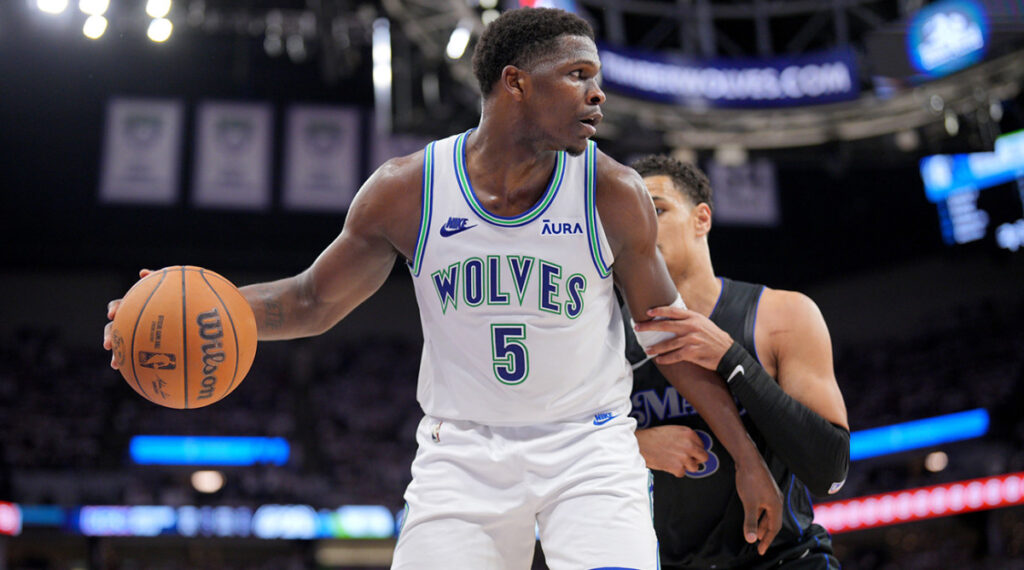
Minnesota’s astounding +1.4 point differential in the fourth quarter speaks volumes about the DNA of a champion. Such dominance in a crucial moment in a basketball game is more than just a statistical advantage; it reveals a team’s true character under pressure.
Just think about how fourth-quarter performance affects championship aspirations. The final twelve minutes separate the contenders from the contenders and showcase their mental strength as well as their physical abilities. A team that can remain calm when fatigue sets in exhibits qualities that statistics cannot capture.
The ability to recognize these patterns is critical to assessing team quality. Fourth-quarter performance is often a more accurate predictor of postseason success than overall results. Take Boston’s defensive masterpiece, which allowed just 25.6 points in the fourth quarter. This ability to control the team is a testament to the team’s championship-caliber finishing ability.
But analysis of the fourth quarter goes beyond the numbers. These patterns speak to mental strength, tactical adaptability, and roster depth. When you look at Minnesota’s consistency between home (+2.0) and road games (+0.8), you can see the mental strength that transcends the venue advantage. People following these big games can quickly download the Betway app so they don’t miss these key moments.
Understanding these dynamics in the final period can provide deep insights into team evaluation and predictive analysis. By studying the underlying patterns in fourth quarter performance, we can gain insight into championship DNA and betting value—not just through speculation, but also through statistical evidence.
When Champions Rise
Boston’s defensive prowess, allowing just 25.6 points in the fourth quarter, is a strong indication of their championship potential. This defensive dominance is matched only by the Orlando Magic and sets the stage for consistent wins in tight games.
A closer look at fourth-quarter advantage shows that Minnesota leads the league at +1.4, followed by Boston (+1.3) and New York (+1.1). These numbers tell a fascinating story about execution and mental strength in the final period. Each team exhibits unique finishing characteristics that set them apart from the rest of the competition.
The dynamics on the home court add color to this story. The huge difference in Boston’s performance at home (+2.5) and on the road (+0.1) shows that the players rely heavily on the energy of the crowd in key moments. On the other hand, Minnesota’s performance is more consistent across venues (+2.0 at home, +0.8 on the road), which highlights its superior mental strength on the road.
When analyzing these patterns, consider how elite finishers maintain their individual advantages. Boston’s strong defense creates opportunities for decisive scoring. Minnesota’s consistency across venues shows reliability regardless of the environment. New York’s consistent differential performance is a testament to the discipline they display in close games.
These patterns are particularly important when analyzing close games. Elite tight teams exhibit predictable patterns in high-pressure situations, making their performance in the fourth quarter a reliable indicator of the game’s outcome. This consistency provides valuable insight for anyone seeking to understand possible late-game scenarios.
The Science of Closeness
A comprehensive study of 2,295 NBA games revealed an interesting fact: Only 19% of games were considered truly close. This statistic changes our understanding of late-game dynamics, especially when considering competitive differentials.
Close games follow certain parameters that smart analysts recognize. A game that started with a 10-point lead in the fourth quarter and ended with a 5-point lead creates unique strategic scenarios. These parameters can help you identify patterns of team behavior under pressure and show how teams handle difficult situations.
Pace has been shown to be a determining factor in the outcome of close games. Successful teams typically have 90-100 possessions in the fourth quarter. Houston leads on this metric and has increased the tempo to exactly 100 possessions—a strategy that produces mixed results but predictable patterns. Your analysis should consider how different tempos affect different teams individually.
Understanding these tempo dynamics is critical to predicting outcomes. Teams that maintain control of the tempo of the game in the fourth quarter have a higher win rate in close games. This connection becomes particularly clear when studying how elite closers manipulate tempo to gain an advantage.
A keen observer recognizes how these patterns create predictable scenarios. Teams that excel at a particular tempo tend to be consistent in close games, while teams that excel at tempo control show greater volatility. This knowledge lends itself to a deeper understanding of likely outcomes and a more nuanced analysis of fourth quarter execution beyond a simple win-loss tally.
Weak Fourth Quarter
Phoenix’s alarming -2.4 fourth-quarter point differential only scratches the surface of their history of late-game collapses. Their difficulties reached historic proportions, with a staggering net differential of -16.1, threatening to set an unwelcome NBA record.
Toronto (-1.0) and Detroit (-0.9) exhibited similarly worrisome patterns, but neither came close to Phoenix’s significant -2.6 home disadvantage. This sustained late-game deterioration reveals deeper systemic issues. Phoenix stands out in particular, having lost nine games this season after taking a third-quarter lead.
There are certain patterns that should be considered in your analytical approach to these weakened closers. The Phoenix Suns average just 24.5 points in the final quarter, which ranks last among NBA teams. Their issues extend beyond just scoring—they rank second-to-last in field goal percentage and third-to-last in turnovers in clutch situations.
These consistent patterns lead to predictable situations in close games. Looking back at close games, these teams show a tendency to collapse in the fourth quarter rather than to persevere.
Fourth-quarter performance patterns reveal truths about NBA teams that cannot be captured by game reports alone. From Minnesota’s excellent +1.4 point differential to Phoenix’s alarming collapse rate, these final-quarter numbers paint a vivid picture of the team’s character under pressure.
What separates the true candidates from the amateurs in clutch situations? Elite closers like Boston display exceptional defensive prowess, while solid performers like Minnesota keep their composure in a variety of situations. At the same time, struggling teams exhibit predictable patterns of declining performance when games are close.
Understanding these patterns can provide a valuable analytical advantage. Recognizing that only 19% of games are considered truly close and that the optimal game length is between 90 and 100 possessions can help more accurately predict likely outcomes.
As the playoff race intensifies, fourth-quarter performance will increasingly become the dividing line between championship contenders and teams on the way to a championship. Keen observers recognize that the final minutes reveal more than just statistics—they reveal the true nature of the game in the clutch.
The article The Importance of Elite NBA Closers originally appeared on The Hoop Doctors.
Are Celtics ‘ Powerful Starters the Teams to Compete with in 2024?
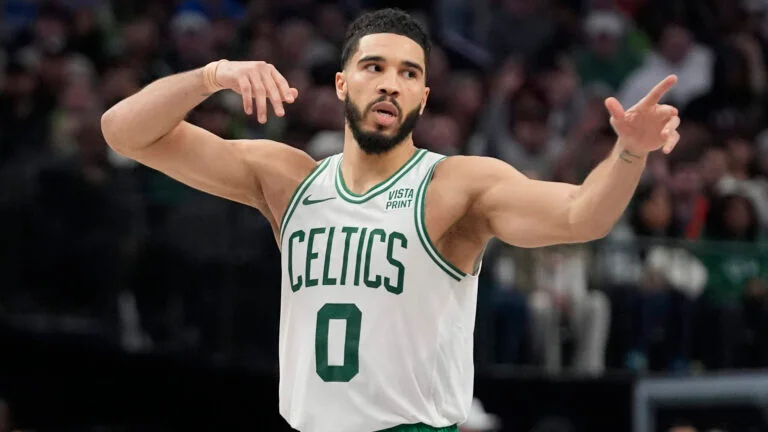
The Boston Celtics are off to a strong start in the 2024 NBA season and are currently in second place in the Eastern Conference. Led by a young core of players like Jayson Tatum and Jaylen Brown, the Celtics are dominating on both ends of the court.
So are they the toughest team to beat in 2024? Let’s take a closer look at their performance and potential competition.
The Celtics set a record for three-pointers made in their first 15 games.
The Boston Celtics once again showed their prowess on the court, underscoring their status as a serious contender in the league. Their recent win over the previously undefeated Cleveland Cavaliers proved their pre-eminence. The game, 120-117, showcased Boston’s excellent offensive game plan, especially from beyond the arc.
Statistically, the Celtics are performing like never before. Not only are they leading the league in three-point shooting percentage, they are redefining the three-point shot. This season, they have already made a historic 287 three-pointers in the first 15 games, setting a new NBA record. They are averaging 19.1 three-pointers per game on 50.5 attempts. This means they are significantly outperforming their closest rival, the Charlotte Hornets, who are attempting 44.6 per game. This strategic focus on high shot counts stems from head coach Joe Mazzulla’s analytical approach, which exploits the mathematical advantages of the three-point shot over the two-point shot.
Mazzulla has reshaped the Celtics around this perimeter-centric game plan. Despite the absence of players like Stephen Curry or Klay Thompson, the team has a three-point-skilled unit that is able to unleash the potential of each player in harmonious interaction. The success of this strategy is evident as the team’s spatial sequencing and coordination maximizes shot opportunities across the court. The impact of this strategic revolution is due in part to the Golden State Warriors, who demonstrated the devastating effects of a 3-point-oriented offensive strategy on their way to the championship.
Are close games a problem for the Celtics?
Last year, the Celtics were a force to be reckoned with, making headlines with their dominance, consistently leading the way and finishing the season with a stellar record. This year, however, things have changed. With seven of the Celtics’ 14 games categorized as “decisive games,” where the outcome wasn’t decided until the final minute, the Celtics find themselves in a different type of competition. It’s not that they have a problem — they hold a 4-3 record in such games — but their winning percentage is 57.1%, but there’s clearly room for improvement.
The occasional absences of Jrue Holiday, Al Horford, Jaylen Brown and Sam Hauser have led to inconsistent on-court synergy and performance. Fans witnessed exciting moments, such as the overtime win against Toronto, where Jayson Tatum’s clutch play helped the team to victory. However, the roster was still strong despite being battered, which shows that there is potential for growth as players recover and rediscover their form.
Boston often lost time when leading by double digits and allowed opponents to get back into the game, which highlighted the team’s need for stronger finishing ability. In return, the team showed grit and closed the gap against strong opponents such as Milwaukee.
As the season progresses, coach Joe Mazzulla must refine his strategy and find the most effective combination through lineup experimentation. Despite these early-season adjustments, the Celtics have maintained their impressive position and impressed with a game plan full of desire to win and an adaptive way of playing.
It is still important to master these close encounters without losing sight of long-term success. The Celtics have proven their resilience to overcome challenges, and the experience of this season can strengthen their resolve and prepare them for a difficult playoff game. The current situation is full of hope, but there are also risks. But it also provides the Celtics with a unique opportunity to improve their playing strength, team spirit, and visibility – key factors that could decisively influence their path to a championship.
Are They Still the Unbeatable Team?
Despite the stiff competition the Boston Celtics currently face in the Eastern Conference, they are still considered the hardest team to beat due to their championship record. Celtics NBA team betting is one of the most popular in North America; fans and analysts continue to rate them as one of the best teams. Here are three compelling reasons why the Celtics remain a serious threat and a strong contender for the 2025 NBA title:
The Rise of Jayson Tatum: Tatum has been dominating the court and has made a significant contribution to the Celtics’ success. Not only has he been able to maintain a high scoring average, but he has also improved his playmaking skills and reached a career high in assists. This versatile performance has enhanced the Celtics’ offensive dynamics and challenged any opponent’s defense.
Derrick White’s All-Star potential: Often overshadowed by big-name stars, White has elevated his game and shown remarkable consistency on both ends of the court. His impressive numbers, including key blocks and efficient scoring, make him an integral part of the Celtics’ lineup and improve the team’s overall performance and toughness.
Kristaps Porzingis’ Future Strength: Despite his current success, Porzingis still has the potential to grow once he returns from injury. His defensive and shooting skills will take pressure off key players, strengthen the Celtics’ interior presence, and prevent teams from scoring in the paint. His return could redefine the game and solidify Boston’s position as a top contender.
So what’s the verdict?
In summary, the Boston Celtics have been impressive despite the challenges they have and will continue to face this season. With a strong three-point shooting strategy, tenacious performances in close games, and the potential shown by key players returning from injury, the Celtics remain the top opponent in the league. As they continue to refine their strategy and strengthen their team cohesion, it’s safe to say that they will continue to be one of the toughest teams to beat in the NBA.
The article Celtics off to strong start: Are they the toughest team to beat in 2024? first appeared on The Hoop Doctors.